Piaggio P180 Elevator Engineering
Primary Carbon Fibre Aircraft Structures
Designing Carbon Fibre Primary Aircraft Structure for the Piaggio P180 Elevator, H-Stab and Fairings
Date
Background & Goals
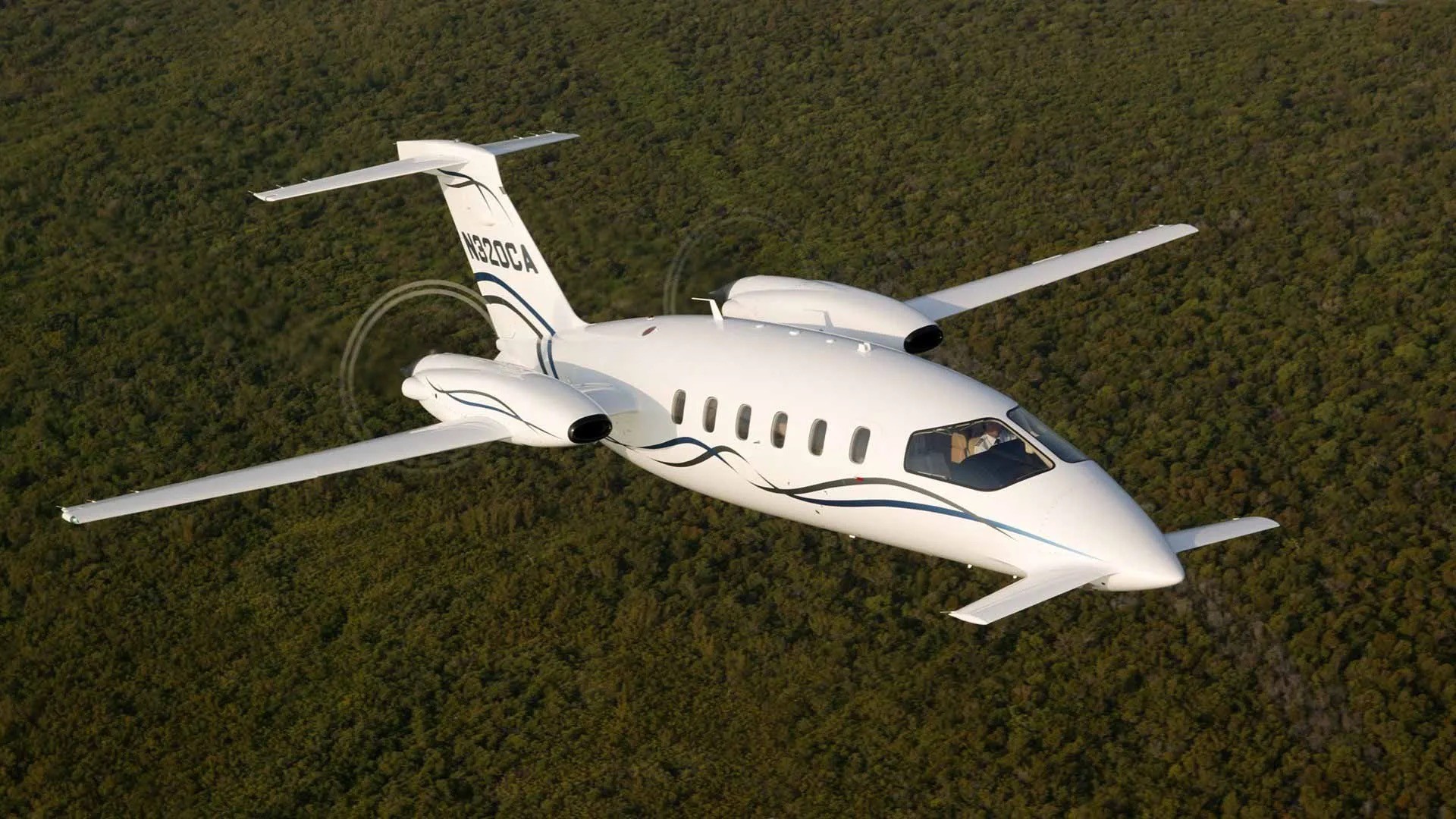
As part of the structural engineering team for the Piaggio P180 Avanti, I developed detailed 3D models for carbon fibre-reinforced polymer (CFRP) components associated with the elevator, horizontal stabiliser and fairings. The objective was to minimise structural mass while maintaining effective load paths, stiffness and manufacturability. Working in CATIA V5 alongside stress engineers, I translated analysis feedback into production-ready geometry, with attention to laminate definitions, ply transitions, core reinforcement and attachment interfaces. This required balancing aerodynamic surface accuracy with tooling constraints, assembly tolerances and practical composite manufacturing requirements. The work supported structural substantiation against the aircraft’s applicable, amendment-specific certification basis, rather than treating compliance as a generic aerospace standard. Relevant structural considerations under the applicable legacy Part 23 requirements include limit and ultimate loads, strength and deformation, control-surface and supporting-structure loads, fatigue and damage tolerance where required, and flutter prevention. For composite construction, substantiation also needs to address material and process qualification, environmental effects, manufacturing variability, joints and local reinforcement, and inspection and repair provisions. FAA AC 20-107B provides relevant guidance for composite aircraft structures, but is not itself a certification requirement. My contribution was the controlled design definition supporting engineering analysis and manufacturing release; formal compliance findings depend on the approved certification programme and its required analysis and test evidence.

Design & Development
Working in CATIA V5 and in close collaboration with the stress engineering team, I iteratively developed and refined CFRP part geometries, translating finite element analysis (FEA) feedback into a consistent, manufacturable design definition. The design loop focused on reconciling predicted load paths, local stress concentrations and stiffness requirements with aerodynamic surface geometry, attachment interfaces and composite manufacturing constraints. Geometry revisions were coordinated with the stress team so that the CAD definition and the structural analysis assumptions remained aligned as the design evolved. Particular attention was given to laminate definition: ply orientation, stacking sequence, laminate thickness and the boundaries of local reinforcement regions. Ply drop-offs and thickness transitions required careful definition to avoid abrupt changes in section stiffness and to support practical lay-up, consolidation and tooling access. For sandwich regions, I refined core geometry and local reinforcement details, including transitions between cored and solid-laminate areas and the support required around load-introduction and attachment interfaces. Throughout this process, I balanced structural requirements with drapeability, minimum radii, accessibility, trimming allowances and assembly tolerances. The resulting production package included the complete 3D data set, manufacturing drawings, ply books and tooling definitions required for CFRP manufacture. These deliverables communicated the relationship between finished-part geometry, laminate build-up, core details and manufacturing references, providing a coordinated basis for lay-up, tooling preparation, trimming and assembly.

Results & Feedback
The final design met all structural performance requirements and passed simulation-based validation. Our efficient workflow between design and stress teams helped reduce design iterations and enabled early release of production data, supporting faster prototyping. The accuracy of the model contributed to a smoother handoff to manufacturing.
Final Thoughts
This project highlighted the importance of tight integration between design and analysis teams, and deepened my appreciation for the precision and discipline required in aerospace composite design. It also reinforced my belief that engineering elegance lies in clarity, communication, and clean execution.